Maximize Productivity: Time-Management Strategies for Working From Home

Working from home can remove commuting time and give you more control over your schedule, but it also creates challenges. Household distractions, unclear work hours, and the absence of a physical office can make it difficult to stay focused or switch off at the end of the day.
Good time management helps you work more consistently while protecting your personal life. The goal is not to fill every minute with work, but to create a structure that makes focused work and real rest possible.
Why Time Management Matters When Working From Home
In an office, meetings, commute times, and the physical environment naturally create boundaries. At home, those signals are weaker. Without a plan, work can expand into the entire day or important tasks can be interrupted by chores, messages, and entertainment.
Create a Clear Workspace
Set Up a Dedicated Work Area
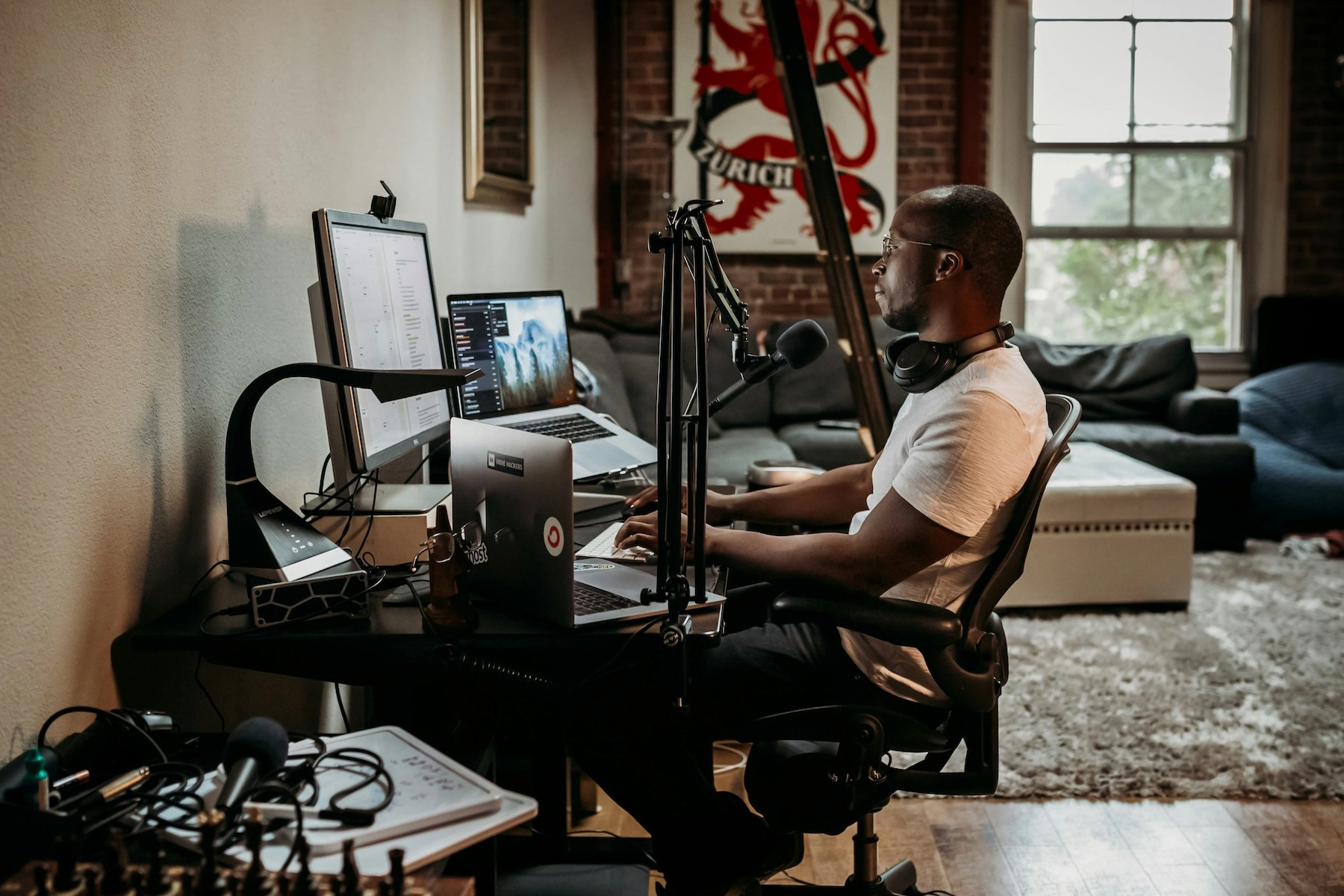
Use a consistent place for work whenever possible. It does not have to be a separate room; even a specific desk or corner can tell your brain that it is time to focus.
Prioritize Comfort and Ergonomics
Adjust your chair, screen height, keyboard position, and lighting so you can work without unnecessary strain. Keep frequently used items within reach and reduce visual clutter that pulls your attention away from the task.
Build a Daily Schedule and Routine
Set Consistent Working Hours
Choose a realistic start and finish time. Consistency makes it easier for colleagues and family members to know when you are available and helps you avoid working late simply because the laptop is nearby.
Use Time Blocking
Divide your day into blocks for deep work, meetings, communication, administration, and breaks. Protect your most focused hours for high-value work rather than using them entirely for email.
Use Tools and Techniques Wisely
Use Time-Management Apps
Calendars, task managers, and project-management tools can help you capture commitments and prioritize work. Keep the system simple enough that managing the tool does not become another form of procrastination.
Try the Pomodoro Technique
Some people work well in focused intervals followed by short breaks, such as 25 minutes of work and a 5-minute break. Longer focus periods may suit complex tasks better, so adjust the technique to your working style.
Control Distractions and Strengthen Self-Discipline
Identify and Reduce Common Distractions
Turn off nonessential notifications, close unrelated browser tabs, keep your phone away during deep work, and communicate boundaries to people at home. If noise is a problem, consider headphones or a quieter work area.
Develop Consistent Habits
Start the day with a short planning routine. Decide on the most important tasks before reacting to incoming messages. At the end of the day, review what was completed and prepare a short list for tomorrow.
Protect Work-Life Balance
Set Clear Boundaries
When work ends, close work applications and step away from the workspace. Avoid checking messages continuously during personal time unless your role genuinely requires it.
Take Real Breaks
Short breaks can help maintain concentration. Stand up, stretch, eat away from the desk, take a brief walk, or simply rest your eyes. Breaks are part of sustainable productivity, not a reward for exhaustion.
Conclusion
Productive remote work depends on structure. Create a dedicated workspace, keep consistent hours, plan focused blocks, reduce distractions, and use simple tools to track priorities. Equally important, create a clear end to the workday and allow time for recovery.
The best routine is one you can maintain. Review what works, adjust what does not, and build a system that supports both strong results and a healthy life outside work.

Artikel Terkait