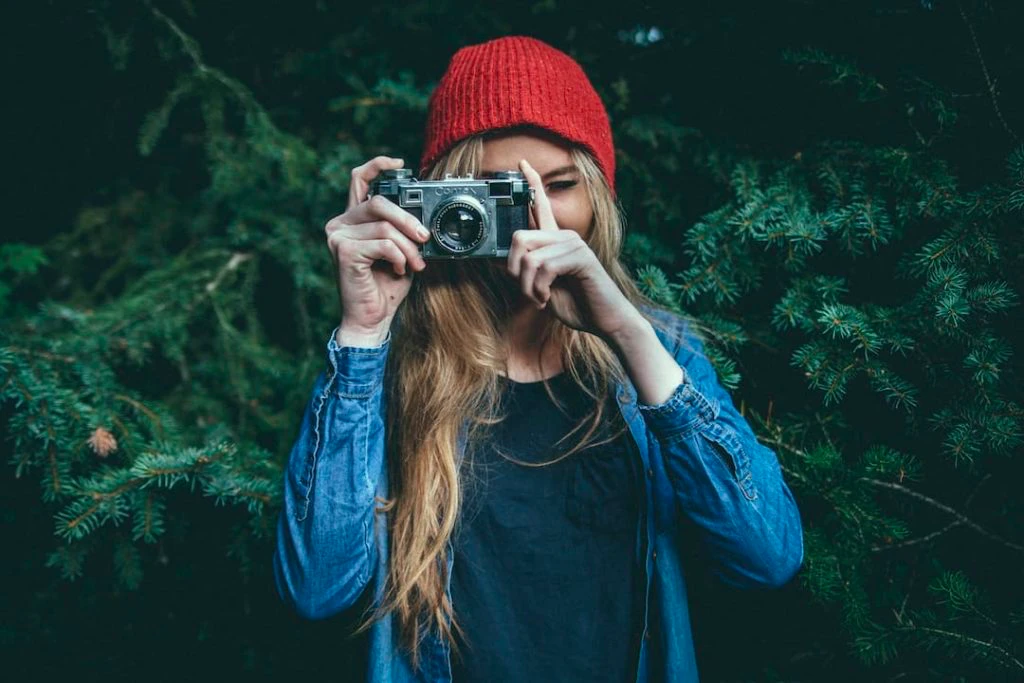
Photography was once strongly associated with dedicated cameras, specialized equipment, and a separate process for editing and sharing. Smartphones changed that relationship. A capable camera is now carried by billions of people every day, and a photo can be captured, edited, published, and distributed within minutes.
This shift did not eliminate professional photography. Instead, it changed who can create images, what kinds of images are produced, and how photographers work.
Photography Became Accessible to Almost Everyone
Ease of Use
Smartphone camera apps are designed for speed. Automatic exposure, autofocus, image stabilization, face detection, scene recognition, and computational processing handle many decisions that once required manual settings.
Because the phone is usually nearby, people can photograph everyday events that would have been missed if they needed to carry a separate camera.
Accessible Photography Features
Features that were once associated with more advanced workflows are now available in simple interfaces. Portrait effects, high dynamic range, panorama, night modes, slow motion, burst shooting, and built-in editing tools give casual users more creative control.
Image Quality Has Improved Dramatically
AI and Computational Photography
Modern phones do more than record a single exposure. They can combine information from several frames, align images, reduce noise, recover highlights and shadows, sharpen details, and recognize subjects. Machine-learning systems may help optimize color, skin tones, depth, and low-light performance.
This computational approach allows small phone cameras to produce results that would be difficult if they relied only on sensor size and optics.
Multiple Camera Systems
Many smartphones include wide, ultra-wide, and telephoto cameras. Switching between focal lengths gives users more framing options without carrying separate lenses. Depth sensors or software-based depth estimation can also support portrait and augmented-reality features.
Impact on Professional Photography
Reduced Demand for Some Traditional Services
For casual events, product listings, social-media posts, and everyday documentation, many people now use a phone instead of hiring a photographer or buying a camera. This has reduced demand in some low-complexity areas of photography.
Growth in Creative Content
At the same time, smartphones created enormous demand for visual content. Brands, creators, newsrooms, small businesses, and individuals publish images constantly. The volume of visual storytelling has increased rather than decreased.
Professionals Adopted Smartphone Technology
Professional photographers increasingly use smartphones as secondary cameras, scouting tools, behind-the-scenes devices, remote controls, editing stations, or even primary cameras for certain assignments. A phone is especially useful when discretion, mobility, or instant delivery matters more than maximum sensor performance.
What Smartphones Still Do Not Replace
Dedicated cameras retain important advantages for many professional uses. Larger sensors, interchangeable lenses, optical viewfinders, long telephoto options, reliable controls, specialized flash systems, sustained burst performance, and flexible raw files can be essential for sports, wildlife, commercial, studio, and high-end production work.
The difference is that fewer people need those advantages for everyday photography.
Conclusion
Smartphones transformed photography by making a competent camera available at almost any moment and combining capture, editing, and distribution in one device. Computational photography and multi-camera systems have narrowed the gap between simple snapshots and technically impressive images.
The most important change is cultural: photography is no longer an occasional activity for people who bring a camera. It has become a continuous part of communication, documentation, creativity, and everyday life.