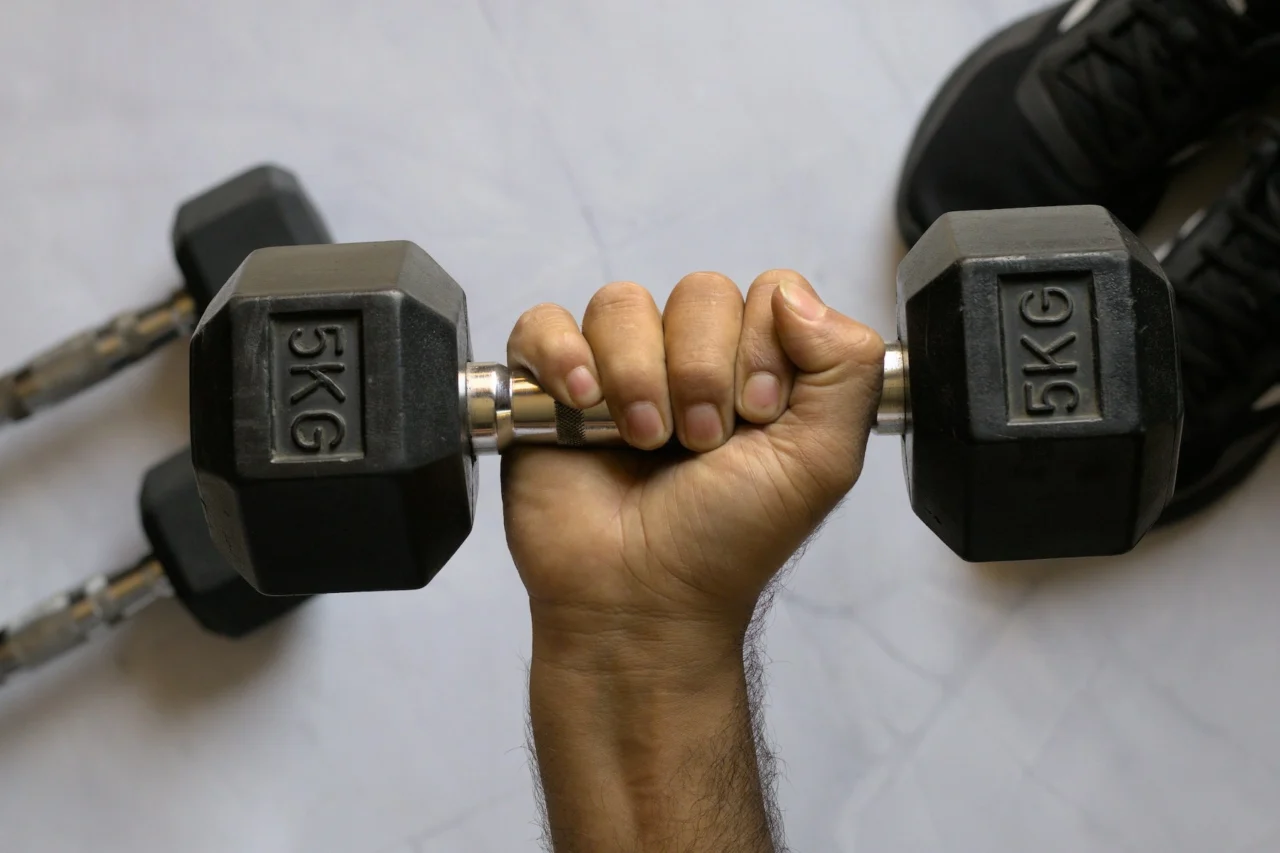
Fitness is an important part of a healthy lifestyle, but small mistakes can slow your progress and sometimes lead to injury. A good training program is not only about exercising harder; it is about training with a clear purpose, using proper technique, recovering well, and supporting your body with the right habits.
This guide covers ten common fitness mistakes and practical ways to avoid them so you can work toward your goals more safely and effectively.
1. Not Having a Clear Goal
One of the biggest fitness mistakes is exercising without a specific goal. When the target is vague, it becomes difficult to measure progress or stay motivated.
How to avoid it
- Use SMART goals: make your goal Specific, Measurable, Achievable, Relevant, and Time-bound.
- Be concrete: “I want to lose 5 kg in two months” is easier to track than “I want to lose weight.”
2. Training Too Much
Overtraining can cause fatigue, declining performance, poor sleep, and injury. Your body needs time to recover after demanding workouts.
How to avoid it
- Schedule rest days and lighter sessions into your routine.
- Listen to your body. If you feel unusually exhausted or sore, reduce the intensity or take additional recovery time.
3. Using Poor Exercise Technique
Incorrect form reduces the effectiveness of an exercise and can place unnecessary stress on your joints and muscles.
How to avoid it
- Learn proper technique from a qualified trainer or reliable instructional source.
- Start with a light load and master the movement before adding more weight.
4. Skipping Warm-Ups and Cool-Downs
A proper warm-up prepares your muscles and nervous system for exercise, while a cool-down can help your body transition gradually after training.
How to avoid it
- Spend 5–10 minutes on light cardio and dynamic movement before training.
- After your workout, lower the intensity gradually and include gentle mobility or stretching as appropriate.
5. Ignoring Nutrition and Hydration
Training results depend heavily on nutrition. Without enough energy, protein, micronutrients, and fluids, recovery and performance can suffer.
How to avoid it
- Build balanced meals around protein, complex carbohydrates, healthy fats, vegetables, and fruit.
- Drink enough water throughout the day, especially around exercise.
6. Focusing on Only One Type of Exercise
Doing only cardio or only strength training may leave important parts of fitness underdeveloped.
How to avoid it
- Combine strength, cardiovascular, mobility, and flexibility work according to your needs.
- Create a balanced weekly plan that trains the whole body.
7. Never Progressing or Changing the Program
Repeating the same workload forever can lead to a plateau because your body adapts to the stimulus.
How to avoid it
- Gradually increase weight, repetitions, duration, or training difficulty.
- Add sensible variation when your current routine no longer challenges you.
8. Ignoring Breathing Technique
Good breathing helps you stay controlled during exercise and can improve comfort during demanding sets.
How to avoid it
- Practice steady, controlled breathing rather than holding your breath unnecessarily.
- Learn the breathing pattern that suits each exercise and practice diaphragmatic breathing outside training.
9. Exercising Without a Plan
Random workouts can make progress difficult to measure and may cause you to neglect important movement patterns.
How to avoid it
- Prepare a weekly or monthly program with clear exercises, sets, repetitions, and recovery days.
- Use a fitness app or simple training log to track what you do and how you improve.
10. Neglecting Mental Well-Being
Fitness is not only physical. Stress, motivation, sleep, and emotional well-being affect consistency and recovery.
How to avoid it
- Make time for rest, enjoyable activities, and social connection outside the gym.
- Consider mindfulness practices such as meditation or yoga if they help you manage stress.
Conclusion
Avoiding these common mistakes can make your fitness journey safer, more sustainable, and more effective. Set clear goals, use sound technique, follow a balanced program, support your training with nutrition and recovery, and adjust the plan when your body gives you useful feedback.
If you are unsure how to design a program for your current health, experience, or goals, consider asking a qualified fitness professional for personalized guidance.